In a world filled with numbers, some stand out more than others. Take 80.3×64.7, for instance. It might seem like just another set of dimensions, but it’s a secret code that opens doors to creativity and innovation. Whether it’s a blueprint for your next DIY project or the ideal size for that perfect piece of furniture, these numbers pack a punch.
Overview of 80.3×64.7
The dimensions 80.3×64.7 suggest a specific size that carries significant implications. They reflect precise measurements often utilized in various applications.
Definition and Dimensions
80.3×64.7 refers to two distinct values representing width and height, respectively. These measurements, typically expressed in centimeters or inches, aid in defining space requirements. For instance, a width of 80.3 units might be ideal for tables, while 64.7 units can indicate height. Such specific dimensions allow designers and manufacturers to create products that fit seamlessly into specified environments. Together, these numbers serve as essential guidelines for any project requiring accurate spatial consideration.
Importance in Industry
In industries like furniture design and architecture, 80.3×64.7 plays a crucial role. Designers often choose these measurements to optimize space utilization in homes or offices. Customizing products to these dimensions enhances their functionality. Moreover, using these exact dimensions can lead to more efficient manufacturing processes. Adjustments based on this sizing promote material conservation and reduce waste. Companies that understand the significance of such details maintain a competitive edge by delivering tailored solutions to their customers.
Applications of 80.3×64.7
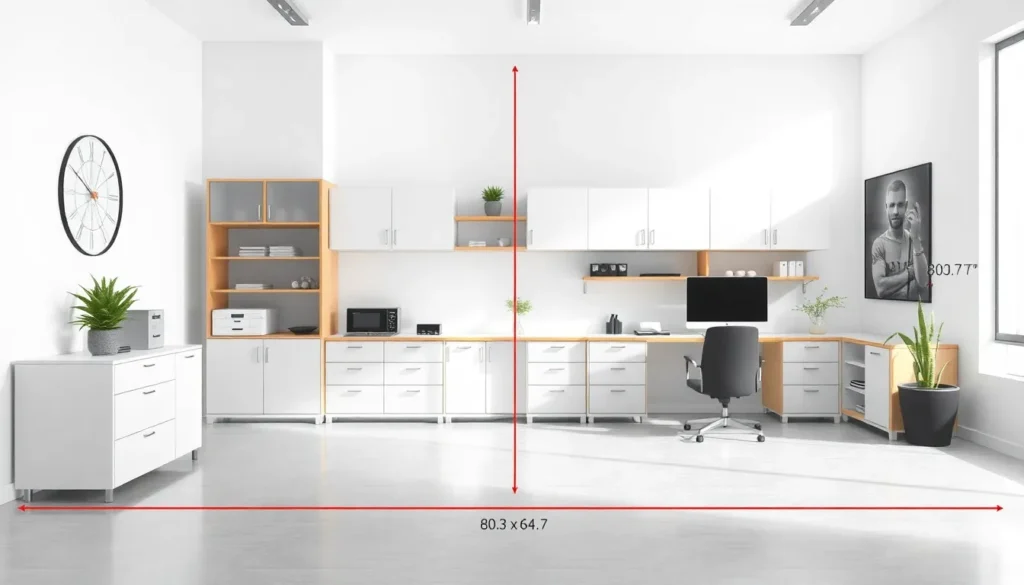
The dimensions 80.3×64.7 serve critical roles in various industries, enhancing functionality and design efficiency. These measurements optimize space utilization and contribute to effective product development.
Use in Manufacturing
Manufacturers rely on 80.3×64.7 dimensions to streamline production processes. Precision in product specifications helps reduce material waste. In sectors such as furniture and cabinetry, adhering to these specific dimensions ensures a unified fit in designated spaces. Customization to these measurements allows for mass production while maintaining quality. Organizations can enhance operational efficiency through accurate cutting and assembly. Using standardized dimensions also promotes compatibility among products within a given line.
Relevance in Design
Designers incorporate 80.3×64.7 dimensions to create harmonious and functional spaces. These measurements influence aesthetic appeal and ensure practicality within an environment. Designers often align furniture and fixtures to these dimensions to maximize space. Creative applications include home décor and commercial layouts. By integrating these dimensions into design concepts, individuals achieve balanced proportions. Products designed around these measurements often lead to higher consumer satisfaction due to enhanced usability and comfort. Designing with precision enhances not just the visual impact but also the overall experience of the end user.
Advantages of 80.3×64.7
The dimensions 80.3×64.7 offer numerous advantages in design and manufacturing. Their precise measurements enhance functionality across various applications.
Space Efficiency
Space utilization improves significantly with dimensions like 80.3×64.7. This measurement allows designers to create products that fit seamlessly in tight areas. Maximizing space not only enhances user experience but also allows for optimal arrangement in living or working environments. Furniture designed to these specifications often leads to better circulation and accessibility within a room. By using tailored dimensions, manufacturers cater to specific spatial requirements, reducing unused areas and enhancing overall aesthetics.
Cost-Effectiveness
Cost savings become evident when employing the 80.3×64.7 dimensions. By standardizing measurements, manufacturers streamline production processes, minimizing material waste. This efficient use of resources translates into lower production costs, offering competitive pricing for customers. Additionally, reducing the need for custom solutions increases operational efficiency, allowing businesses to deliver faster turnaround times. Adopting these specific measurements also fosters consistency in products, which reinforces brand reliability in the marketplace.
Challenges with 80.3×64.7
Challenges exist in utilizing dimensions like 80.3×64.7. Understanding these obstacles enhances effective design and manufacturing.
Manufacturing Limitations
Manufacturers face difficulties in execution when adhering strictly to dimensions like 80.3×64.7. Production processes may require additional adjustments for specific materials. Custom machinery often becomes necessary to ensure precision. Constraints like these can lead to longer production times and increased costs. Sourcing materials that fit such precise measurements may pose challenges, leading to potential delays in the supply chain. Companies that rely heavily on these dimensions might need to adapt machinery or processes, affecting overall efficiency.
Market Availability
Market availability can limit the adoption of 80.3×64.7 dimensions in various sectors. A lack of standardized dimensions may hinder manufacturers in sourcing fitting products. Some suppliers may not stock items matching these specific measurements, which complicates the purchasing process for businesses. Consumers often encounter challenges in finding furniture or fixtures that strictly conform to these sizes. Accessibility becomes an issue, especially in regions lacking diverse suppliers. As more companies explore options, ensuring consistent stock of 80.3×64.7 products will remain essential.
The dimensions 80.3×64.7 hold significant potential in various industries. By embracing these precise measurements, designers and manufacturers can enhance functionality and aesthetics while optimizing space utilization. The advantages of using these dimensions extend beyond mere practicality; they contribute to cost-effectiveness and improved user experience.
However, challenges remain in implementing these measurements consistently across production processes. Addressing these hurdles will be crucial for manufacturers and designers alike. As the industry evolves, a commitment to integrating 80.3×64.7 dimensions could pave the way for innovative solutions that meet consumer needs and elevate design standards.