Nishidhasamgamam might sound like a spell from a wizarding world, but it’s actually a fascinating concept rooted in ancient philosophy. This term dives deep into the intricate dance of relationships and the boundaries that define them. Imagine navigating the complexities of human connections while trying not to trip over societal norms—it’s a balancing act that can leave anyone dizzy.
Overview of Nishidhasamgamam
Nishidhasamgamam refers to a philosophical concept originating from ancient traditions. It encompasses the complexities surrounding human relationships and the limits that govern them.
Definition and Significance
Nishidhasamgamam means forbidden associations or relationships, often reflecting societal taboos. Its significance lies in understanding the delicate balance between personal desires and cultural expectations. This concept challenges individuals to navigate relationships while respecting established boundaries. Examining Nishidhasamgamam allows for deeper insight into human nature and societal influences on interpersonal connections. Through this lens, people can appreciate the nuances of love, obligation, and moral duties.
Cultural Context
In various cultures, Nishidhasamgamam has unique interpretations and implications. Many societies impose strict guidelines regarding relationships, emphasizing the importance of context. These cultural norms dictate acceptable behavior, shaping how individuals approach connections. The concept reflects a society’s values, underscoring the complex interplay between tradition and personal freedom. Additionally, literature and art often illustrate the struggles associated with navigating Nishidhasamgamam, providing rich representations of this theme within cultural narratives.
Principles of Nishidhasamgamam
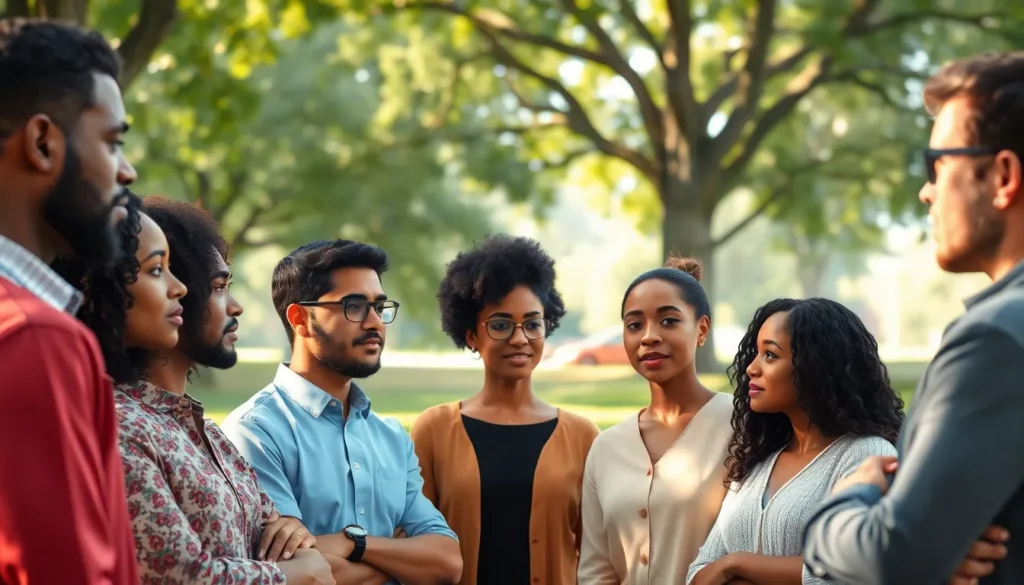
Nishidhasamgamam encompasses various ethical and legal principles that guide human relationships within societal frameworks.
Ethical Considerations
Ethics surrounding Nishidhasamgamam often center on respect, consent, and cultural sensitivity. Respecting individual choices while acknowledging societal norms remains crucial. Many individuals struggle with personal desires versus community expectations. Navigating these conflicting feelings involves recognizing the potential consequences of relationships deemed forbidden. Consent serves as a fundamental aspect of any association, reinforcing the importance of mutual agreement. Cultural sensitivity is vital; different societies impose varying restrictions based on their values. Individuals must consider these perspectives while engaging in relationships that may challenge established norms.
Legal Implications
Legal ramifications of Nishidhasamgamam vary significantly across jurisdictions. Certain relationships may encounter legal challenges, especially if they violate local laws or cross cultural boundaries. In some regions, laws explicitly prohibit specific associations, resulting in criminal charges for those involved. Seeking legal advice becomes essential for individuals navigating these complexities. Documentation may also play a critical role, particularly in cases involving minors or contentious partnerships. Awareness of the legal landscape helps individuals avoid inadvertent transgressions that could lead to serious repercussions. Understanding laws and regulations fosters informed decision-making in potentially sensitive situations.
Practices and Rituals
Nishidhasamgamam encompasses various practices and rituals that reflect its profound cultural significance. These engagements resonate deeply within societies, shaping interpersonal dynamics.
Traditional Approach
Traditional rituals often involve ceremonies aimed at reinforcing societal boundaries. Some cultures perform specific rites to mark the transition into forbidden relationships, honoring ancestral beliefs. In many instances, community elders play a pivotal role, guiding individuals through the intricacies of their relationships. These rituals may include prayers, offerings, or purification practices, emphasizing respect for established norms. Cultural festivals often highlight relationships perceived as forbidden, offering a space for reflection and communal dialogue. Such approaches emphasize harmony between personal desires and societal expectations, serving as reminders of the delicate balance within human connections.
Contemporary Adaptations
Contemporary interpretations of Nishidhasamgamam reflect evolving cultural contexts. Modern practices frequently emphasize open dialogue around previously taboo associations. Many individuals now engage in discussions about personal freedom, navigating personal needs against prevailing societal pressures. Artistic expressions, such as literature and film, illustrate contemporary struggles with forbidden relationships, resonating with broader audiences. Social media also plays a significant role, providing platforms for individuals to share their experiences and challenge traditional norms. In this way, contemporary adaptations redefine relationships, fostering a more inclusive understanding of love and connection within diverse societal frameworks.
Impact on Society
Nishidhasamgamam significantly impacts society by shaping perceptions of forbidden relationships. Societal norms dictate behavior, often leading to varied community reactions.
Community Reactions
Communities respond to the concept of Nishidhasamgamam in diverse ways. Some individuals uphold traditional values, advocating for adherence to established norms. Others challenge these norms, sparking discussions about personal freedom and individual choice. Reactions may vary based on cultural context, with conservative communities exhibiting resistance to change. Progressive groups often promote understanding and acceptance, emphasizing empathy toward those involved in forbidden relationships. Community leaders may play a vital role in guiding attitudes, initiating dialogues that seek to balance tradition and modernity.
Influence on Relationships
Relationships within the framework of Nishidhasamgamam experience complex dynamics. Individuals often navigate emotional conflicts shaped by societal expectations. Forbidden associations can lead to heightened secrecy, impacting trust levels between partners. These relationships may reinforce feelings of guilt or anxiety, complicating emotional connections. Couples confronting societal taboos often engage in deeper conversations about commitment and desire. The influence of Nishidhasamgamam can encourage individuals to assess their values and priorities, fostering growth. Ultimately, navigating these relationships necessitates empathy, understanding, and open communication to reconcile personal needs with cultural expectations.
Nishidhasamgamam serves as a profound lens through which to examine the intricacies of human relationships. It challenges individuals to confront the tension between personal desires and societal expectations. By understanding this concept, one can appreciate the cultural narratives that shape love and obligation.
The ongoing dialogue surrounding forbidden associations fosters empathy and encourages deeper connections. As societies evolve, the principles of Nishidhasamgamam continue to inspire reflection on the balance between tradition and personal freedom. This exploration not only enriches cultural understanding but also highlights the importance of navigating relationships with awareness and respect for established norms. Ultimately, embracing these complexities can lead to personal growth and a more inclusive perspective on love and connection.