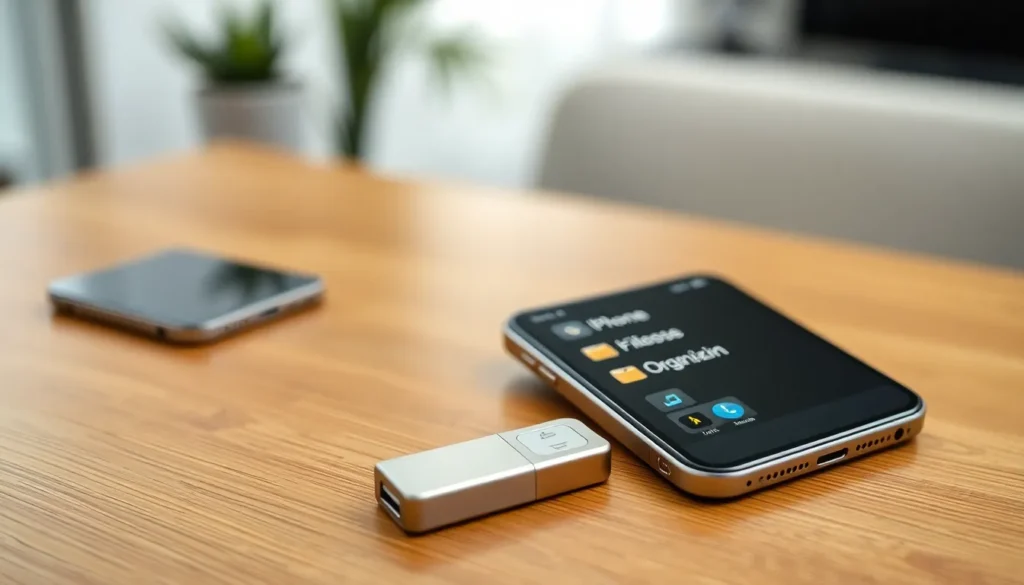
Ever found yourself staring at your iPhone, wondering if you could just plug in a flash drive and transfer those precious photos? You’re not alone. Many iPhone users dream of that magical moment when they can effortlessly move files without the hassle of cloud storage or complicated apps.
Understanding Flash Drives and iPhones
iPhone users often seek straightforward ways to transfer files, especially photos. Connecting a flash drive to an iPhone simplifies this process.
What Is a Flash Drive?
A flash drive, also known as a USB drive, features a compact design that stores digital data. These devices provide portable storage options for transferring files between computers and other devices. Data transfer occurs via USB connectors, making them accessible for various tasks. Most flash drives come with various storage capacities, typically ranging from 4 GB to 1 TB. Users find them convenient for backing up important files or carrying essential documents on the go.
Compatibility with iPhone Models
Connecting a flash drive to an iPhone requires specific compatibility considerations. iPhone models starting from iPhone 5 support USB On-The-Go (OTG) technology. This technology allows direct connection to USB devices. Lightning adapters enable most flash drives to work with iPhones, enhancing accessibility for data transfer. Certain drives, designed specifically for iOS, include features like a Lightning connector on one end and a USB connector on the other. Users must verify compatibility before making a purchase to ensure effective file management.
How to Connect a Flash Drive to Your iPhone
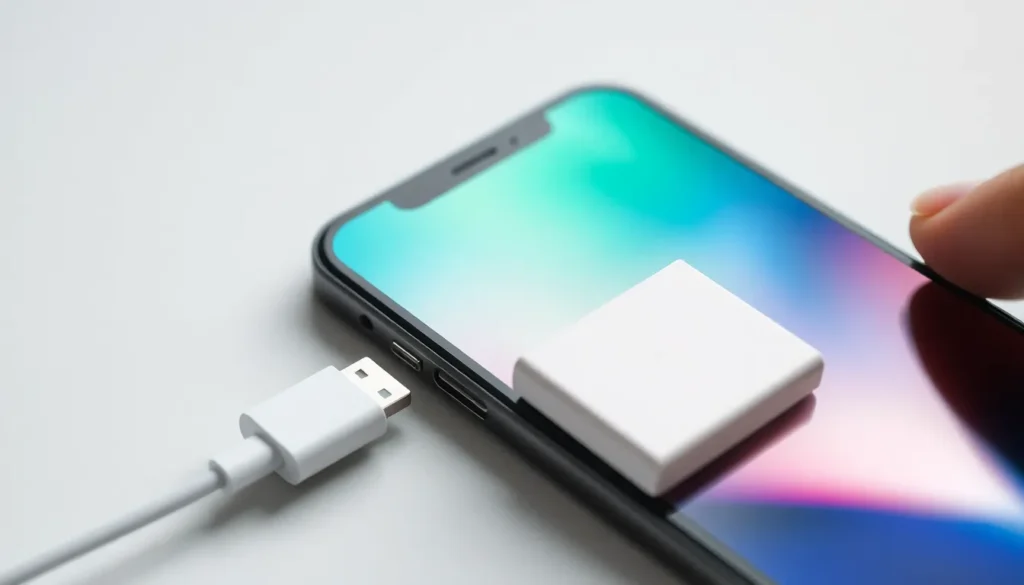
Connecting a flash drive to an iPhone simplifies file transfers and enhances storage capabilities. Users must consider specific adapters and follow a straightforward process for successful connections.
Required Adapters and Accessories
A compatible flash drive for an iPhone often requires an adapter. Apple’s Lightning to USB Camera Adapter works well for this purpose. Additionally, some flash drives come equipped with a Lightning connector designed for iOS devices. Verifying compatibility is crucial to ensure functionality. Other products, like USB-C adapters, may also assist users with newer iPhone models. Manufacturers often label their products for iPhone compatibility, making the selection easier.
Step-by-Step Connection Process
Start by connecting the flash drive to the adapter. Next, plug the adapter into the iPhone’s Lightning port. Afterward, navigate to the Files app to access the flash drive. Tap the “Browse” tab to find the connected drive, and view or transfer files as needed. For file transfers, select the files, then use the “Share” option to save them to the iPhone. It’s important to safely eject the drive through the Files app before physically disconnecting. Following these steps ensures a reliable connection and smooth file management.
Managing Files on Your iPhone Using a Flash Drive
Connecting a flash drive to an iPhone provides a straightforward way to manage files. Users can streamline their file organization and access.
Accessing Files via the Files App
The Files app serves as a central hub for managing documents on an iPhone. Users can find their connected flash drive listed under the “Locations” section. Tapping the drive reveals folders and files stored on it. Different file types, including photos and documents, are easily accessible. To open a file, users tap on it, allowing for instant viewing or editing. If users prefer to create new folders or organize files, the Files app supports these functions. This method enhances users’ ability to keep digital files in order.
Transferring Files Between Devices
Transferring files between a flash drive and an iPhone is a simple process. Users can drag files from their iPhone into the flash drive’s folder in the Files app. This action quickly transfers images or documents. Similarly, moving files from the flash drive to the iPhone is just as easy. Users highlight the desired files and select “Copy” to paste them into the iPhone’s local storage. This capability enables users to manage their storage effectively. User-friendly interfaces make these transitions smooth and efficient.
Challenges and Limitations
Connecting a flash drive to an iPhone presents several challenges and limitations that users should understand. These factors can impact the overall file transfer experience.
File Format Compatibility Issues
File format compatibility creates a barrier for many users. iPhones primarily support specific file types like JPEG for images and PDF for documents. Other formats, including certain video or audio files, may not function as expected. Before transferring files, users must ensure the flash drive contains compatible formats. Consider converting files to supported formats, which can ease access on the iPhone. Checking Apple’s official documentation provides a comprehensive list of compatible file types.
Power Supply Considerations
Power supply considerations also play a significant role in the functionality of flash drives with iPhones. While many flash drives draw power directly from the iPhone, some high-capacity options may require additional power. Using a powered USB hub might be necessary for these types of drives. Users should also be mindful of the iPhone’s battery life during transfers, as extensive file movements can drain power quickly. Keeping the iPhone charged remains vital for maintaining connectivity with the flash drive.
Connecting a flash drive to an iPhone opens up new avenues for file management and storage. It allows users to bypass the limitations of cloud storage and easily transfer files directly. With the right adapters and compatible drives, the process becomes seamless and efficient.
Users can enjoy enhanced organization through the Files app while ensuring their data remains accessible on the go. Although challenges like file format compatibility and power requirements exist, the benefits often outweigh these drawbacks. By following the outlined steps and tips, iPhone users can maximize their storage capabilities and streamline their digital life.