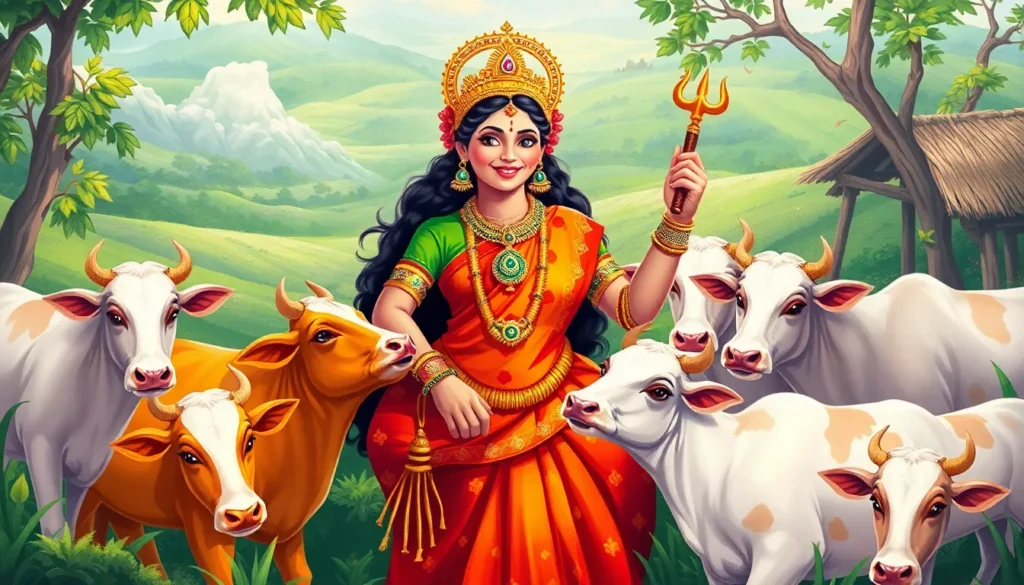
In the vibrant tapestry of Indian culture, few figures shine as brightly as Gowthalamma. This beloved deity, often depicted with a playful spirit, embodies the essence of prosperity and protection. She’s not just a figure of reverence; she’s the ultimate multitasker, juggling blessings like a seasoned pro while keeping her devotees grinning from ear to ear.
Overview of Gowthalamma
Gowthalamma represents a significant deity in Indian culture, revered for her playful nature and connections to prosperity. She embodies the essence of joy and abundance, inviting devotion from her followers across various regions. Devotees often seek her blessings for protection and well-being, showcasing her integral role in their lives.
Her origins trace back to ancient myths, where she is depicted as a nurturing figure, radiating warmth and positivity. Celebrated in numerous festivals, Gowthalamma’s presence enhances the sense of community, uniting people through shared rituals and prayers. These gatherings often feature traditional music, dance, and offerings that honor her spirit.
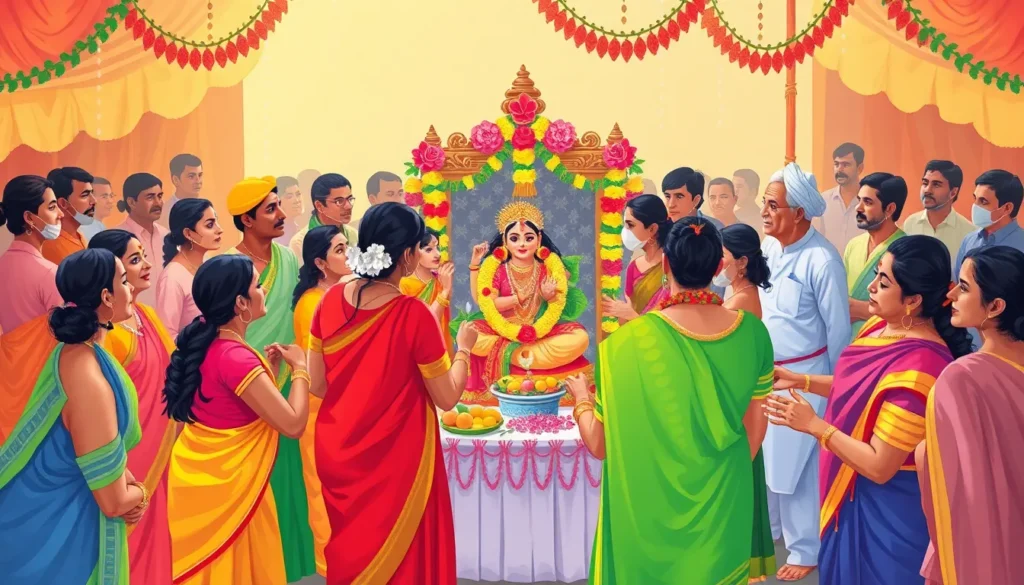
Celebration of Gowthalamma includes storytelling that inspires the faithful. They recount tales of her generosity, emphasizing how she rewards devotion with bountiful blessings. Worship practices typically involve elaborate altars adorned with flowers, fruits, and various symbolic items representing well-being.
Warmth and affection surround Gowthalamma, as she represents not just spiritual wealth but familial bonds. For many, she is a source of comfort and reassurance, encouraging them to navigate life’s challenges. Rituals performed in her honor often highlight the importance of gratitude and community, reinforcing strong cultural ties.
Gowthalamma stands out as a joyous facilitator of prosperity and protection. Her playful spirit enhances the lives of many, serving as a figure of hope and togetherness in the cultural landscape.
Historical Significance of Gowthalamma
Gowthalamma’s historical significance reflects her deep roots within Indian culture. Celebrated as a symbol of joy and abundance, she unites communities through shared devotion.
Cultural Roots
Cultural roots of Gowthalamma date back to ancient India, where she is woven into various myths and folklore. Revered as a maternal figure, her narratives often highlight the themes of nurturing and protection. Festivals dedicated to her vary by region, showcasing diverse interpretations of her attributes. Many communities link her to agricultural cycles, believing her blessings enhance fertility and prosperity. Retellings of her stories not only educate newer generations but also maintain a sense of identity. Legends involving Gowthalamma often emphasize her role in local traditions and celebrations, reinforcing her importance in cultural gatherings.
Traditional Practices
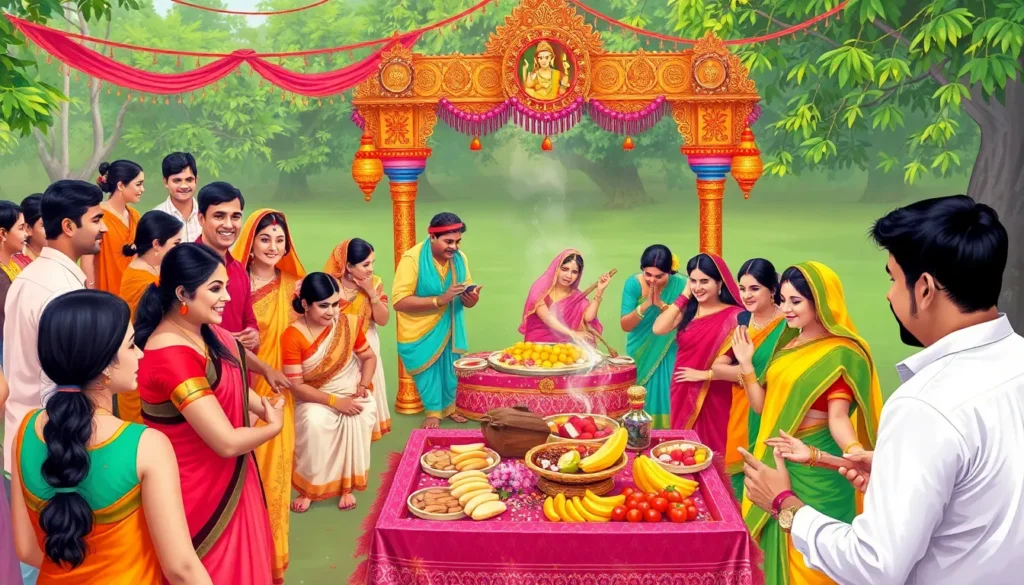
Traditional practices surrounding Gowthalamma reflect the devotion of her followers. Celebrations often include vibrant rituals that incorporate music, dance, and festive attire. Altars dedicated to her frequently exhibit offerings such as fruit, sweets, and flowers, symbolizing gratitude and reverence. Many devotees engage in prayers that invoke blessings for health and wealth, acknowledging her protective spirit. Communities often partake in collective meals during festivals, strengthening social bonds and cultural ties. Participation in these rituals fosters a shared sense of joy, making her presence felt in both spiritual and communal experiences.
Gowthalamma in Modern Context
Gowthalamma maintains relevance today, celebrated for her embodiment of prosperity and protection. Devotees continue to honor her through vibrant rituals and community events.
Influence on Contemporary Culture
Gowthalamma’s presence influences various forms of art, including dance, music, and visual representation. Artists draw inspiration from her nurturing qualities, creating pieces that reflect her significance in daily life. Festivals dedicated to her attract diverse audiences, promoting unity and cultural exchange. Communities across India incorporate her teachings into their lifestyles, emphasizing gratitude and compassion. Modern interpretations of her legends appear in literature and film, making her story accessible to wider audiences.
Preservation Efforts
Efforts to preserve the cultural heritage associated with Gowthalamma grow increasingly important. Communities organize workshops and seminars to educate younger generations about her role in folklore and rituals. Documentation of traditions, including oral histories and artistic practices, ensures that her legacy endures. Collaboration among cultural organizations fosters initiatives that celebrate her contributions to local identities. These activities not only honor her significance but also strengthen community ties and shared values.
Benefits Associated with Gowthalamma
Gowthalamma brings numerous benefits to her devotees, enhancing their lives in various meaningful ways. Devotees often experience a sense of peace, knowing that she embodies protection and prosperity. Strengthening community bonds, her festivals foster unity through shared cultural expressions and rituals.
In agricultural contexts, many believe her blessings improve crop yields and ensure bountiful harvests. Ritual practices associated with Gowthalamma commonly include offerings of fruits and flowers, which symbolize gratitude and reverence. Engaging in these traditions, participants often report increased happiness and fulfillment, reinforcing their spiritual connections.
Her presence also promotes mental well-being. Engaging with the community during festivals allows individuals to form valued relationships and support systems. Artists draw inspiration from Gowthalamma’s nurturing qualities, creating works that celebrate her influence in dance, music, and visual arts. This artistic expression fosters appreciation among audiences, further extending her impact.
Education regarding her significance enriches knowledge within families and communities. Workshops highlight oral histories and ritual practices, ensuring that younger generations understand her role in cultural heritage. Celebrating her contributions strengthens local identities, empowering communities to share their legacy with pride.
Ultimately, Gowthalamma offers a multifaceted range of benefits. Her impact on individuals’ spiritual, social, and cultural lives underscores her importance as a deity. Devotees often find comfort and hope in her unwavering support, reinforcing her enduring legacy across regions.
Gowthalamma’s enduring legacy as a symbol of prosperity and protection continues to resonate deeply within Indian culture. Her vibrant festivals and rituals not only celebrate her nurturing spirit but also strengthen community ties and foster joy among devotees. As her teachings of gratitude and compassion spread, they inspire individuals to embrace a lifestyle enriched by shared values.
The ongoing efforts to preserve her cultural heritage ensure that future generations will appreciate her significance. Through art, music, and communal celebrations, Gowthalamma’s influence remains a powerful force, uniting people across diverse backgrounds. Her blessings bring comfort and hope, making her a cherished figure whose impact transcends time and geography.