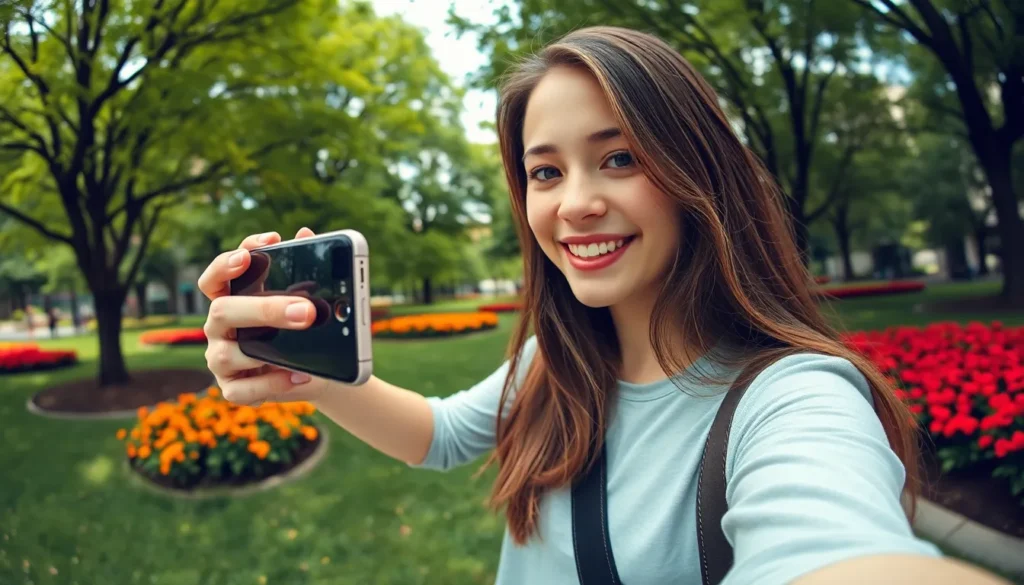
Ever wondered how to turn your iPhone into a mini funhouse mirror? Fisheye photography is your ticket to bending reality and capturing stunning, whimsical shots that’ll make your friends do a double-take. With just a few taps, you can transform ordinary scenes into extraordinary visual experiences that scream creativity.
Understanding Fisheye Photography
Fisheye photography offers a unique approach by distorting images with a wide-angle view. This technique allows for creative interpretations, crafting captivating visuals.
What Is Fisheye Photography?
Fisheye photography captures images with an ultra-wide perspective that exaggerates the curvature of lines. It typically uses a specific type of lens, producing a 180-degree field of view. This results in a spherical distortion, often making subjects appear larger or more prominent. The style emphasizes depth, providing a dynamic look that draws viewers in. Artists and photographers embrace fisheye effects to create compelling compositions, transforming ordinary scenes into extraordinary visuals.
Key Characteristics of Fisheye Lenses
Fisheye lenses exhibit several distinct features that set them apart. They produce a significant amount of barrel distortion, creating a round image rather than a rectangular one. These lenses often have a shorter focal length, which enables capturing wide perspectives without stepping back. A notable characteristic includes the vast depth of field, keeping both foreground and background elements sharp. Light capture is enhanced, allowing images to display enhanced contrast and color saturation. Photographers frequently utilize these qualities to evoke emotion and present unconventional viewpoints.
Tools Required for Fisheye Effect on iPhone
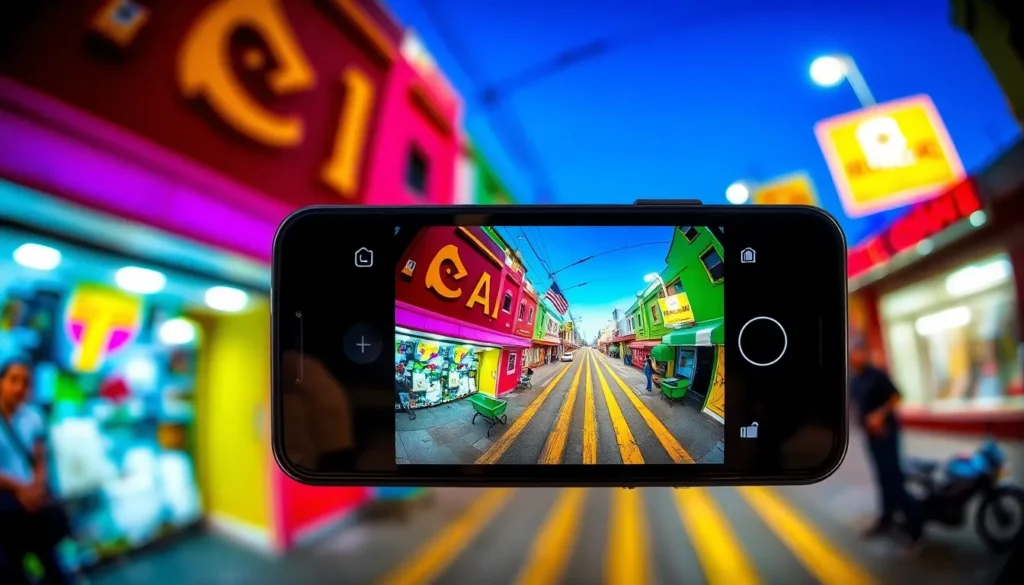
To achieve the fisheye effect on an iPhone, specific tools enhance creativity. Utilizing built-in camera features and third-party apps can elevate photography.
Built-in Camera Features
Many iPhones come with advanced camera capabilities that allow for creative shots. The panoramic mode expands the field of view, simulating a fisheye perspective. Experimenting with various settings results in more dramatic visuals. Adjusting the exposure and focus helps capture interesting details. For optimal results, utilizing the grid feature assists in framing shots effectively, ensuring balanced compositions.
Third-Party Apps
Numerous apps are available for iPhones, designed specifically for fisheye photography. Popular options include Fish Eye Lens and Fisheye Pro, which offer diverse filters and effects. Each app provides unique customization features, enabling users to tweak images post-capture. Accessing these apps allows for enhanced control over distortion levels and perspective adjustments. Users can explore various settings to find the combination that suits their artistic vision.
Steps to Achieve Fisheye Effect on iPhone
To capture the fisheye effect on an iPhone, utilize both the native camera app and specialized editing software.
Using the Native Camera App
The native camera app includes a panoramic mode, which simulates a fisheye effect. Start by selecting panoramic mode from the options. When taking a shot, move the camera slowly to capture a wider scene. Adjust the exposure and focus settings to enhance depth and contrast. Positioning subjects towards the center emphasizes distortion. Enable the grid feature for better framing, ensuring balanced compositions. Experimenting with angles can yield unexpected and striking perspectives.
Editing Photos with Apps
Numerous third-party apps exist for enhancing fisheye images. Apps like Fish Eye Lens and Fisheye Pro offer customizable filters and effects. After selecting a photo, explore various distortion levels. Adjusting these levels can create different visual impacts. Some apps also allow users to modify brightness and contrast, providing more control over final results. Applying these edits transforms standard photos into creative pieces. Additionally, save edited images in high resolution for stunning quality when sharing.
Tips for Capturing Great Fisheye Shots
Fisheye photography creates unique and engaging images. Employing effective techniques enhances results.
Best Practices for Composition
Start by framing subjects within the center of the shot. Subjects positioned there maximize distortion effects. Utilize leading lines to draw viewers toward the focal point. Experiment with foreground elements to create depth and interest in the composition. Balance the image by using the grid feature, ensuring even distribution of visual weight. Focus on different perspectives; varied angles add dynamism to the shots. Avoid clutter in the background, keeping emphasis on main subjects.
Lighting and Angles
Lighting plays a vital role in fisheye photography. Natural light at golden hour often provides soft, pleasing illumination. Position subjects in well-lit areas to avoid harsh shadows. Capture unique angles by getting low to the ground or shooting from above. Testing various vantage points can yield surprising results. Dramatic contrasts between light and shadow create striking effects. Consider backlighting for silhouetted subjects, which enhances depth. Adjust settings to highlight textures and details in the captured images.
Fisheye photography opens up a world of creative possibilities for iPhone users. By embracing this unique style, photographers can capture striking images that challenge traditional perspectives. With the right techniques and tools, anyone can experiment with distortion and depth to create captivating visuals.
Whether using the native camera app or exploring third-party applications, the key lies in understanding composition and lighting. By focusing on subjects and utilizing angles effectively, photographers can elevate their work to new heights. This playful approach not only enhances photography skills but also adds a fun twist to everyday moments.