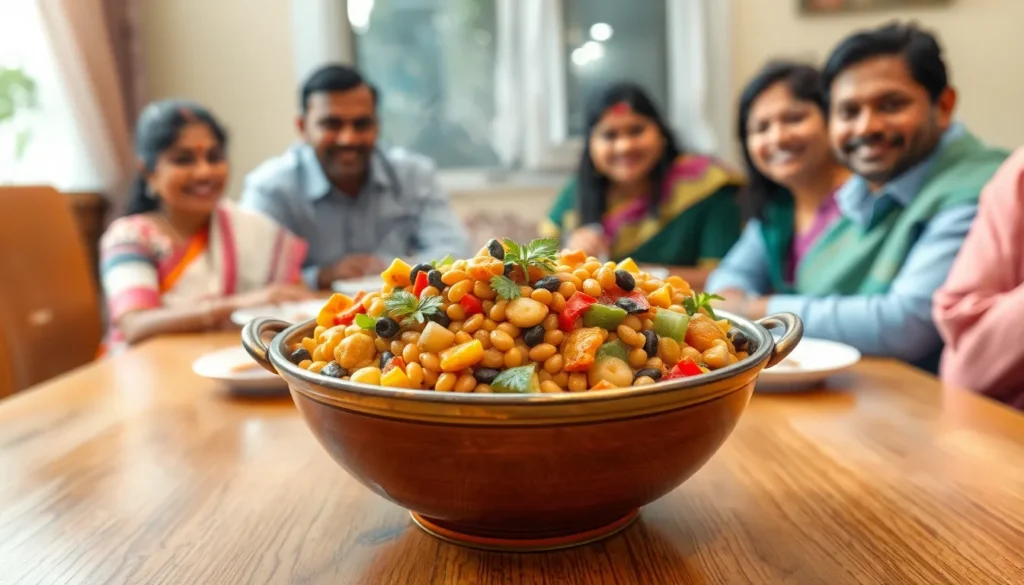
Kamaladhai isn’t just another word that rolls off the tongue; it’s a treasure trove of cultural significance waiting to be explored. Picture this: a delightful blend of tradition and flavor that’s sure to tickle your taste buds and ignite your curiosity. This unique dish, steeped in history, has a way of bringing people together—whether it’s at family gatherings or festive celebrations.
Imagine savoring a dish that not only satisfies your hunger but also offers a taste of heritage. Kamaladhai does just that, inviting everyone to dive into a world where every bite tells a story. So grab your forks and get ready to embark on a culinary adventure that’s as rich as its origins. Who knew history could be so delicious?
Overview of Kamaladhai
Kamaladhai originates from rich cultural traditions. This dish blends rice and lentils with an array of vegetables and spices, creating a nutritious meal. Aromatic flavors intertwine within every bowl, showcasing local ingredients. Families often share Kamaladhai during significant celebrations, reinforcing connections and fostering unity among loved ones.
Traditionally, the preparation involves slow cooking, allowing the ingredients to mingle and develop depth. Various regional variations exist, reflecting local tastes and customs. For instance, some versions incorporate coconut or tamarind, enhancing the dish’s flavor profile.
Community gatherings frequently feature Kamaladhai, as its ample servings cater to larger groups. The dish not only satisfies hunger but also tells a story of heritage, bridging generations. Many people cherish this dish as part of their culinary identity, celebrating its historical significance in their lives.
Cooking Kamaladhai often becomes a family affair, inviting participation from all ages. Each family might have their unique recipe, passed down through generations, contributing to the dish’s evolving narrative. Enjoying Kamaladhai promotes togetherness, making it a staple at significant life events and holidays.
Exploring its origins reveals a deep connection to local agriculture, promoting sustainable practices. Kamaladhai symbolizes hospitality and abundance, showcasing how food can bring communities together. Familiarity with this dish enhances appreciation of cultural diversity and culinary heritage.
Historical Significance
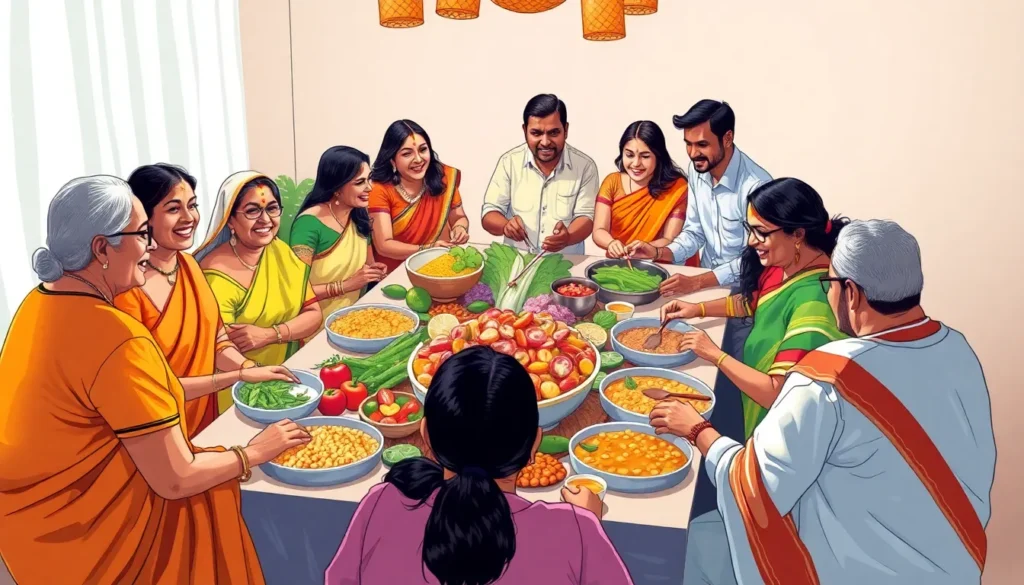
Kamaladhai holds significant cultural and historical relevance in various communities. It’s not just a dish; it embodies traditions and shared experiences that transcend generations.
Cultural Importance
Cultural identity thrives through Kamaladhai. This dish often appears in festivities, symbolizing unity and togetherness. Celebrations are brightened by its presence, reinforcing bonds within families and communities. Many consider it a representation of hospitality and abundance. Variations exist across regions, showcasing local ingredients and flavors. Family recipes, passed down through generations, add to the dish’s rich tapestry, deepening its roots in cultural heritage.
Traditional Uses
Traditionally, Kamaladhai serves during significant life events, such as weddings and festivals. It’s a mainstay at family gatherings, where everyone contributes to its preparation. Vegetables and lentils included often reflect seasonal availability, promoting sustainable practices. Elders teach younger generations the art of making Kamaladhai, illustrating the passing of culinary knowledge. Rituals surrounding the dish bring family members together, emphasizing its role as a connector and nurturer in every household.
Benefits of Kamaladhai
Kamaladhai offers numerous benefits, making it a favorite dish among many. The dish combines wholesome ingredients, providing both comfort and nourishment.
Medicinal Properties
Kamaladhai contains spices known for their health benefits. Turmeric supports anti-inflammatory responses, while cumin aids digestion. Ginger enhances the immune system, and black pepper improves nutrient absorption. These elements contribute to overall well-being, making each serving beneficial for health. Regular consumption can promote a balanced lifestyle, reinforcing traditional values alongside medicinal benefits.
Nutritional Value
Kamaladhai boasts a rich nutritional profile. The dish combines lentils, which are high in protein and fiber, with vegetables packed with vitamins and minerals. Rice adds energy-boosting carbohydrates essential for daily activities. Each portion delivers essential nutrients, fostering vitality and health. This blend not only nourishes the body but also ensures satiety, making it a complete meal for families celebrating their heritage and culinary traditions.
How to Use Kamaladhai
Kamaladhai serves as a versatile dish, suitable for various occasions. It can be enjoyed in a variety of ways, often elevating meals through unique preparation methods.
Preparation Methods
Slow cooking represents a traditional approach, allowing flavors to meld beautifully. Families often employ simmering techniques, enhancing the depth of taste. Steaming vegetables individually prior to combining them with rice and lentils preserves nutrients while adding a fresh quality. Additionally, some prefer using pressure cookers to streamline the process, significantly reducing cooking time without sacrificing taste. Regional variations also exist, with specific spices and ingredients integrated based on local preferences. Exploring these methods offers a chance to experience Kamaladhai in diverse ways, catering to different palates.
Recipe Ideas
Utilizing various ingredients leads to creative Kamaladhai recipes. One can try a classic version featuring lentils, rice, and seasonal vegetables like carrots, peas, and cauliflower. Adding spices such as turmeric, cumin, and coriander elevates the flavor profile. For a spicier twist, incorporating green chilies and ginger creates a delightful kick. Vegetarian alternatives allow for experimentation with legumes like chickpeas or black beans, enriching the dish’s protein content. Some enjoy Kamaladhai as a main course, while others serve it alongside yogurt or raita for a refreshing contrast. Each recipe variation reflects personal tastes and encourages culinary exploration.
Kamaladhai stands as a testament to the rich tapestry of culinary heritage. Its ability to bring families together during celebrations and significant life events underscores its importance in fostering unity and connection. The dish’s nutritional benefits and versatility make it a beloved staple in many households.
As people continue to explore its various regional adaptations and family recipes, Kamaladhai remains a symbol of hospitality and abundance. Each serving not only nourishes the body but also enriches the spirit, inviting everyone to partake in its delicious history. Embracing Kamaladhai is more than just enjoying a meal; it’s about celebrating shared experiences and cherished traditions.